Opening your freezer to find layers of ice creeping over shelves and drawers can instantly turn a simple task into a frustrating chore. That frost isn’t random—it’s a sign that moisture is getting where it doesn’t belong. Warm air slips inside through loose seals, frequent door openings, or uncovered food, then freezes on contact with the cold interior. Over time, thin frost turns into solid ice, slowly shrinking usable space and making your freezer feel cluttered instead of convenient.
Beyond the annoyance, excess frost quietly affects your wallet and your groceries. Thick ice blocks proper airflow, forcing the freezer to work harder just to maintain a safe temperature. That extra effort increases energy use and can shorten the appliance’s lifespan. At the same time, food hidden behind icy buildup is easier to forget, leading to freezer burn, wasted leftovers, and unnecessary repeat purchases that quietly inflate your grocery budget.
The good news is that preventing frost doesn’t require hours of manual defrosting. Start by checking the door seal regularly—close a piece of paper in the door and see if it slides out easily. If it does, warm air may be leaking in. Store food in airtight containers or freezer bags to reduce moisture, and avoid placing hot or uncovered items directly into the freezer. If you’re shopping for a new appliance, frost-free models use air circulation to minimize ice buildup from the start.
Long-term freezer efficiency comes down to small habits, not big cleanups. Every few months, take a quick look inside and clear out unused items before frost has time to build. Organize food into labeled bins so nothing gets lost in the back. By staying proactive instead of reactive, you can keep your freezer running smoothly, protect your food, and turn what used to be a dreaded task into a simple part of an organized, stress-free kitchen routine.

Related Posts
Honoring a Career Focused on Leadership, Public Service, and Community Impact
For decades, Alexis Herman built a respected career through public service, leadership, and involvement in national workforce and policy discussions. Known for her work in government and…

My son had no idea I’d saved $800,000 when his wife told me to leave their house
My son, Logan, believed that I was just a typical retired man making ends meet through a small pension. I kept letting him believe that. I was…
I found a hidden phone in my late husband’s old toolbox; its last video was recorded the night before he died
I honestly believed that Jack’s death would be the hardest thing I’d ever challenge. But then, eleven days after his funeral, I came across a cell phone…
Sad reason Donald Trump may not attend Don Jr.’s wedding – despite his son wanting him there
Donald Trump Jr. is tying the knot with Palm Beach socialite Bettina Anderson this weekend, but it looks like his father, President Donald Trump, won’t be in…

FEMA Leadership Change Draws Attention Amid Debate Over Agency’s Future
Leadership changes at the Federal Emergency Management Agency (FEMA) have placed renewed attention on the ongoing discussion about how disaster response efforts should be managed in the…
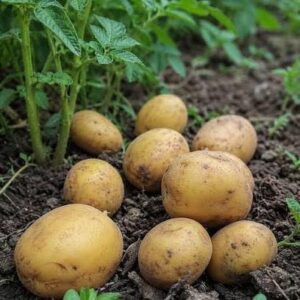
Potatoes in a Healthy Diet: Benefits, Considerations, and Smart Ways to Enjoy Them
Potatoes remain one of the most popular foods across households in Latin America, Spain, and many other parts of the world. Their affordability, versatility, and comforting flavor…