People talk about clogged arteries all the time, but most don’t really think about what that means. It’s usually a slow process during which fat, cholesterol, and other stuff builds up inside the arteries over years, not days. At first, blood still gets through, so nothing feels wrong. That’s why so many people fail to realize there’s an issue until much later.
Problems start when blood can’t move as easily anymore. That’s when things like heart attacks, strokes, or poor circulation show up. And it’s not just a heart problem. Arteries all over the body can be affected. Everyday habits matter here more than people like to admit, especially diet, smoking, and cholesterol levels.
The NHS lists symptoms of atherosclerosis that can include chest pain, shortness of breath, pain in the arms or legs during activity, feeling unusually tired, weak, or even confused. Many people don’t connect these signs to their arteries at first.

Risk also goes up with age. Being over 65, smoking, high blood pressure, high cholesterol, and having close family members with heart or blood vessel disease all make it more likely.
When I started reading about artery health, I didn’t expect supplements to come up as often as they did, but they kept appearing in different places.
Vitamin K2 was one of the first names I ran into. Mostly in connection with calcium and where it ends up in the body. Some people supplement, others just try to get small amounts from foods like fermented vegetables or certain cheeses.
Krill oil was another one that kept showing up. Not everyone agrees on it, but it’s often mentioned because of its antioxidant content. A lot of people seem to take it as part of a general routine rather than expecting it to fix anything on its own.

Vitamin E took a bit more digging because there are different types. Tocotrienols get talked about more than the standard versions, especially when blood pressure comes into the conversation. Some people focus on supplements, others stick to foods like nuts, olive oil, leafy greens, and avocados instead.
Garlic is one of those things that’s been around forever. It shows up in studies, old advice, and family recommendations alike. Eating it raw isn’t for everyone, so extracts are usually mentioned as a more realistic option.

Vitamin C doesn’t get as much attention, but it still comes up, mostly because of its role in keeping blood vessels flexible. A lot of people seem to prefer getting it from food rather than pills, especially vegetables and berries.
Evening primrose oil appears less often, but it still comes up now and then, usually because of its anti-inflammatory reputation and the fact that many women already use it for other reasons.
Before taking any supplements, consult a healthcare provider first, especially if you’re on medications like blood thinners.

Related Posts
Honoring a Career Focused on Leadership, Public Service, and Community Impact
For decades, Alexis Herman built a respected career through public service, leadership, and involvement in national workforce and policy discussions. Known for her work in government and…

My son had no idea I’d saved $800,000 when his wife told me to leave their house
My son, Logan, believed that I was just a typical retired man making ends meet through a small pension. I kept letting him believe that. I was…

I found a hidden phone in my late husband’s old toolbox; its last video was recorded the night before he died
I honestly believed that Jack’s death would be the hardest thing I’d ever challenge. But then, eleven days after his funeral, I came across a cell phone…
Sad reason Donald Trump may not attend Don Jr.’s wedding – despite his son wanting him there
Donald Trump Jr. is tying the knot with Palm Beach socialite Bettina Anderson this weekend, but it looks like his father, President Donald Trump, won’t be in…

FEMA Leadership Change Draws Attention Amid Debate Over Agency’s Future
Leadership changes at the Federal Emergency Management Agency (FEMA) have placed renewed attention on the ongoing discussion about how disaster response efforts should be managed in the…
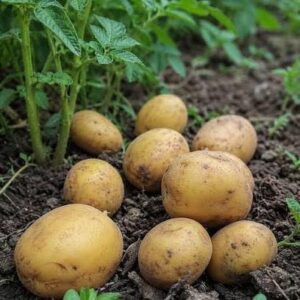
Potatoes in a Healthy Diet: Benefits, Considerations, and Smart Ways to Enjoy Them
Potatoes remain one of the most popular foods across households in Latin America, Spain, and many other parts of the world. Their affordability, versatility, and comforting flavor…