Late Thursday night, a magnitude 6.0 earthquake rippled through the Pacific Ocean off the coast of Oregon, briefly capturing the attention of the Pacific Northwest. According to the United States Geological Survey, the quake struck roughly 180 miles offshore—far enough to limit impact on land, yet strong enough to be detected by monitoring systems across the region. A smaller 3.1 aftershock followed early Friday, reinforcing that the area beneath the ocean remains active.
Despite the distance, light shaking was reported by residents in cities including Portland, Eugene, Salem, Dallas, and Coos Bay. While the movement was mild, it was noticeable enough to prompt online chatter and questions about what might come next. As a precaution, tsunami monitoring systems were briefly activated, but officials quickly confirmed there was no tsunami risk and no need for evacuations along the coast.
Seismologists say the quake occurred near the Juan de Fuca Plate, which plays a key role in the region’s geology. This plate slowly presses beneath the North American Plate along the Cascadia Subduction Zone, a long-studied fault line stretching from Northern California to British Columbia. The USGS estimates there’s a moderate chance of smaller aftershocks in the coming days, while the likelihood of a significantly larger quake in the near term remains low.
While there were no reports of injuries or damage, experts note that events like this serve as useful reminders. Emergency agencies encourage residents to stay informed, review household emergency plans, and keep basic supplies on hand. For now, monitoring continues and daily life moves on—but with a renewed awareness that preparedness is a practical part of living in the Pacific Northwest.

Related Posts
The Golden Bachelorette was contacted by a well-known celebrity
ABC was selecting a number of women to be the stars of the next “The Golden Bachelorette” series a few months ago. It’s interesting that they contacted…
THEIR ACNE IS SEVERE!
When breakouts turn into deep, painful cysts or nodules that never seem to heal, your skin is sending a clear distress signal. These underground bumps rarely come…

Florida Highway Crash Sparks Discussion About Safety and Split-Second Decisions
A recent multi-vehicle accident in Florida has sparked debate after authorities reported that the chain-reaction crash began when a driver slowed or stopped in an attempt to…

Forest Investigation Raises Questions About Wildlife Protection and Public Awareness
A recent investigation in a remote forest area has sparked widespread discussion about wildlife laws, ethical responsibilities, and the importance of respecting protected environments. Authorities became involved…
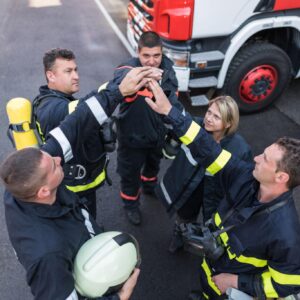
Community Rallies Together After Major Fire Shakes Millharbor
Residents of Millharbor faced a difficult evening after a major fire spread through several parts of the city, leaving damaged buildings and forcing evacuations in affected neighborhoods….

Arizona Teacher Case Highlights Importance of Community Awareness and Student Safety
A case involving a former sixth-grade teacher in Goodyear, Arizona, has drawn widespread attention and prompted renewed conversations about student safety and the importance of maintaining professional…