Black pudding often catches newcomers off guard, but in Britain and many parts of Europe it’s a deeply rooted traditional food with a long history. Frequently appearing on full breakfasts, it is among the oldest forms of sausage still eaten today. Its origins lie in practical, resourceful cooking, when communities made use of every part of an animal to avoid waste. What may seem unusual now was once a smart and nourishing solution shaped by necessity.
The ingredient most closely associated with black pudding is blood, typically from pigs, though some regions also use cattle blood. In modern production, dried blood is commonly used to ensure safety and consistency. This component gives black pudding its distinctive dark color and contributes significant nutritional value, particularly iron and protein. For generations, it served as an important source of energy and nourishment, especially in rural areas or during periods when food options were limited.
Fat and grains play equally important roles in shaping black pudding’s character. Pork fat or suet is added to provide richness and prevent dryness, while grains such as oatmeal, barley, or wheat help absorb moisture and bind the mixture together. These elements determine the pudding’s texture, which is firm enough to slice yet tender when cooked. The precise balance of ingredients varies by region and recipe, leading to noticeable differences in density and mouthfeel.
Flavor comes from a thoughtful blend of herbs and spices. Traditional recipes often include black or white pepper, nutmeg, cloves, or thyme, lending warmth and depth without overpowering the core ingredients. Once mixed, the pudding is filled into casings and gently cooked, ready to be sliced and fried, grilled, or baked later. Black pudding remains a clear example of how traditional cooking values—respect for ingredients, nutrition, and ingenuity—can endure across centuries and still hold a place at the modern table.

Related Posts
Honoring a Career Focused on Leadership, Public Service, and Community Impact
For decades, Alexis Herman built a respected career through public service, leadership, and involvement in national workforce and policy discussions. Known for her work in government and…

My son had no idea I’d saved $800,000 when his wife told me to leave their house
My son, Logan, believed that I was just a typical retired man making ends meet through a small pension. I kept letting him believe that. I was…

I found a hidden phone in my late husband’s old toolbox; its last video was recorded the night before he died
I honestly believed that Jack’s death would be the hardest thing I’d ever challenge. But then, eleven days after his funeral, I came across a cell phone…
Sad reason Donald Trump may not attend Don Jr.’s wedding – despite his son wanting him there
Donald Trump Jr. is tying the knot with Palm Beach socialite Bettina Anderson this weekend, but it looks like his father, President Donald Trump, won’t be in…

FEMA Leadership Change Draws Attention Amid Debate Over Agency’s Future
Leadership changes at the Federal Emergency Management Agency (FEMA) have placed renewed attention on the ongoing discussion about how disaster response efforts should be managed in the…
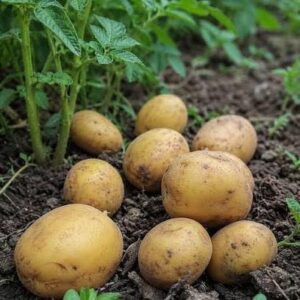
Potatoes in a Healthy Diet: Benefits, Considerations, and Smart Ways to Enjoy Them
Potatoes remain one of the most popular foods across households in Latin America, Spain, and many other parts of the world. Their affordability, versatility, and comforting flavor…