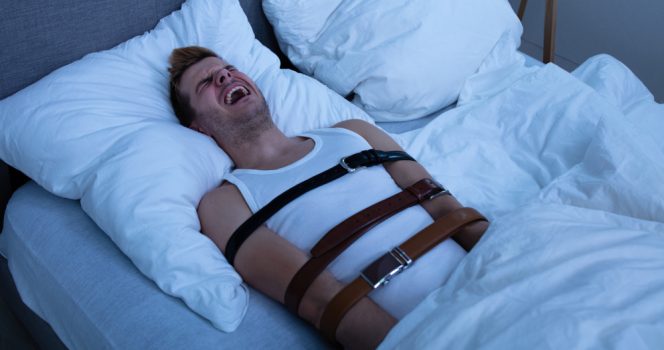
If you’ve ever woken up unable to move or speak — even though your mind was fully awake — you’ve likely experienced something called sleep paralysis.
It’s far more common than most people realize, but because the experience feels surreal and often terrifying, many hesitate to talk about it.
30% of people will experience it
Most people have never heard of a sleep disorder called sleep paralysis. But it’s something many of us will experience at least once in our lives—whether we remember it or not.
Sleep paralysis is a medical condition that occurs in the moments right before you fall asleep or as you’re waking up. During an episode, a person becomes unable to move or speak, even though they’re mentally awake.
It’s also common to experience hallucinations or out-of-body sensations, which makes the situation feel especially frightening.
According to the Cleveland Clinic, sleep paralysis occurs “when your body is in between stages of sleep and wakefulness.” Episodes usually last anywhere from a few seconds to a couple of minutes and are classified as a type of parasomnia. While the experience can be frightening, sleep paralysis is completely harmless.
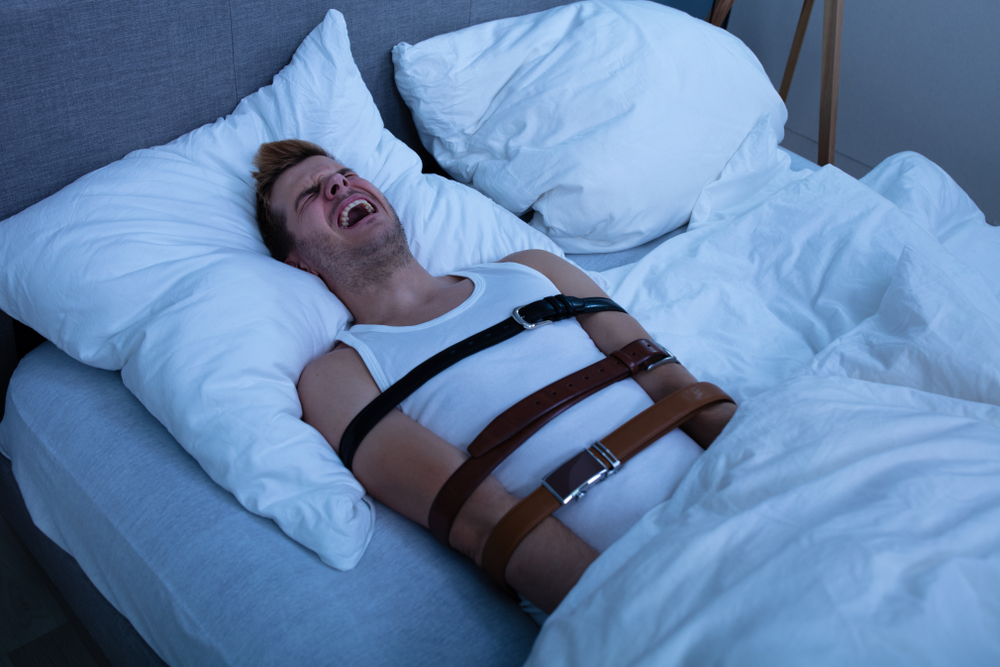
Researchers estimate that about 30% of people will experience sleep paralysis at least once in their lifetime.
It can happen just as you’re falling asleep or right as you’re waking up. Common symptoms include an inability to move or speak, pressure on the chest, the sensation of being outside your body, vivid hallucinations, and intense fear or panic. Some episodes last only moments, while others can stretch up to 20 minutes.
So what causes it?
During REM sleep—the stage when most dreaming occurs—your brain temporarily “shuts off” your muscles. This prevents you from physically acting out your dreams. Sleep paralysis happens when your mind wakes up before your body does, leaving you conscious but unable to move.
The mismatch is often triggered by:
- High stress
- Poor or irregular sleep
- Anxiety
- Exhaustion
- Disrupted sleep schedules
Several studies have shown that people who are exhausted, stressed, or dealing with sleep deprivation are more likely to experience sleep paralysis, according to sleep expert and CBT psychologist Charlott Ulfsparre.
Despite the fear it brings, sleep paralysis is not dangerous, and it’s not considered a disease. It’s a natural phenomenon that humans have been trying to understand for centuries. Ancient Persian medical texts described it in the 900s, and one of the first documented cases was recorded by a Dutch physician in 1664.
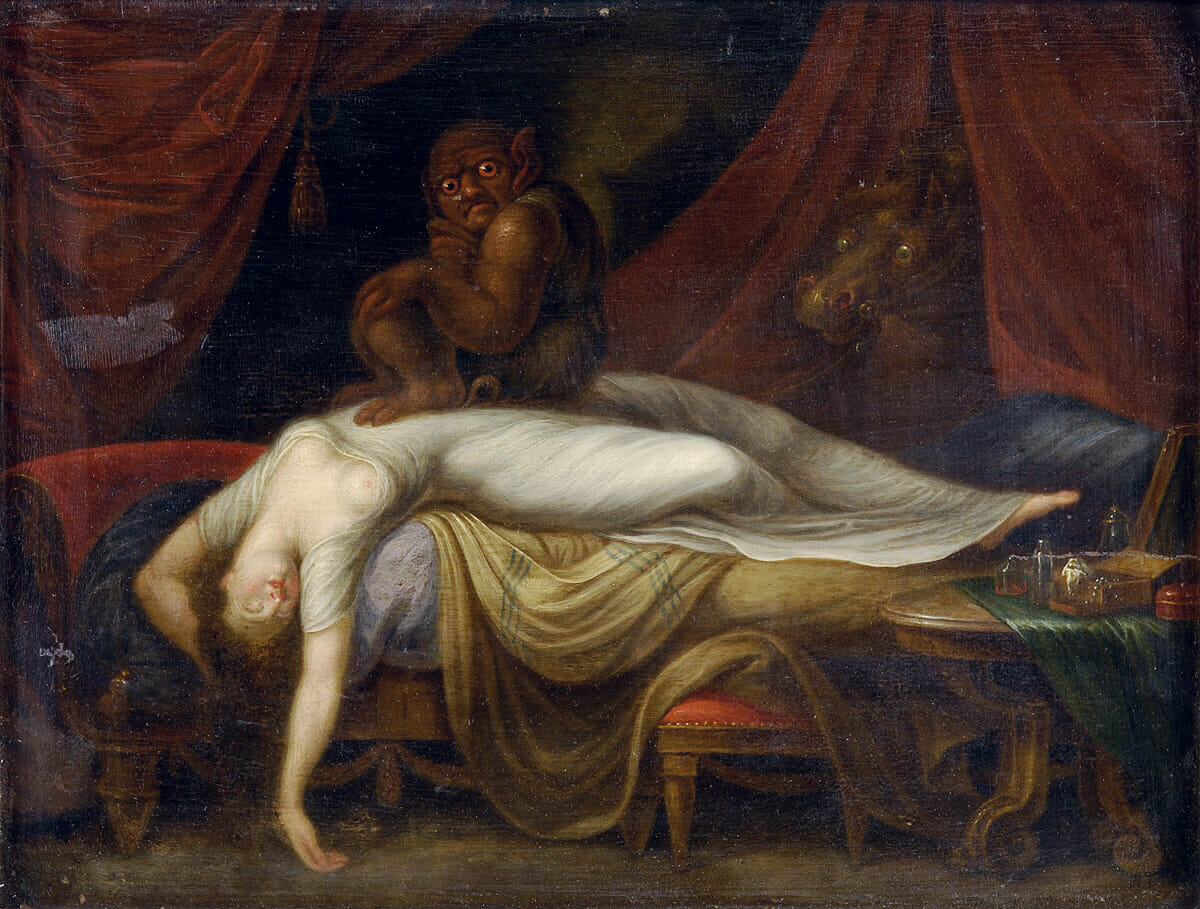
Many cultures developed their own explanations — Japan speaks of being “bound by steel,” Chinese folklore calls it “ghost pressure,” and in parts of Africa it’s described as “a devil riding on your back.”
Some people also experience intense hallucinations. Many describe a presence in the room, someone sitting on their chest, or even an overwhelming feeling of doom. Swedish artist Jonna Jinton has written about her first experience at age 16, describing a strange vibration and the sensation of being pulled into something. Singer Zara Larsson has also spoken openly about her own frightening episodes.
How to prevent sleep paralysis
- Keep a regular sleep schedule
- Reduce stress
- Avoid screens before bedtime
- Create a calm sleep environment
If an episode does happen, try to focus on slow breathing and attempt to move just one finger or toe. Once a tiny bit of movement returns, the rest of your body usually follows.
Sharing information about sleep paralysis can help more people understand what’s happening to them—and reassure them that this disturbing experience is temporary, explainable, and not dangerous.
If you know someone who might benefit from this, please pass it along.

Related Posts
Sad Obama family news
The Obama family suffered the loss of Marian Robinson, the mother of Michelle Obama. Robinson, who lived in the White House during her son-in-law’s presidency and brought…

At first, the ‘apology man’ sounded like a kid’s joke, but then I peeked through the fence and uncovered a secret
If you’ve ever gone through divorce, you know too well the toll it takes on you both emotionally and financially. Mine drained me, literally. However, the hardest…

Every Sunday, I got paid to pretend to be a blind veteran’s granddaughter — his final wish changed my entire life
At twenty-two, I was so broke that I took the weirdest job one could ever think of. During the day, I attended classes at college, and right…

Pregnant mistress gets front row at ex’s military funeral, until the general walks right past her
Making three identical meals for my triplets while they teared through the house trying to get ready for school just added to the madness and the chaos…
This morning, I stepped out onto the porch to get some fresh air and discovered this. Honestly, at first, I was really scared.
The morning began like any other until something unusual caught my attention on the porch. Resting against the weathered boards was a small bundle of reddish fur,…

Americans may receive $1,745 payment after Trump promised to give money to almost everyone in America – here’s when it could hit your bank
There is no confirmed official $1,745 payment program currently approved for nearly all Americans. The figure appears in online discussions, but it does not reflect an enacted…