He came in wearing a wrinkled coat and well-worn shoes. No badge. No assistant. A man in his late seventies carrying a folder and humming a Sinatra tune.
“Excuse me, sir,” the receptionist said, glancing nervously. “This lobby is for clients and staff only.”
“Oh, I know,” he smiled. “I’m here for a meeting.”
A group of junior employees passed by and snickered.
“Probably another confused retiree,” one of them whispered.
“Maybe he’s here to fix the coffee machine,” another joked.
No one offered him a seat.
The receptionist called upstairs, then hung up and looked startled. “They said… to send you right up.”
The laughter stopped.
He took the elevator alone.
Ten minutes later, a high-ranking executive burst into the lobby, eyes wide. “Where did he go? Was he just here?”
They pointed upstairs. “Room 14C.”
He muttered something under his breath and ran.
Because the man they laughed at?
Was the founder.
The majority shareholder.
The reason the company existed.
And now the door to the boardroom was closed.
And the quiet man was about to decide who stayed… and who didn’t.
His name was Silviu. Most of the staff didn’t know it.
They only saw his portrait in the hallway once a year during the company’s anniversary party, draped in balloons and LED lights, like a mascot.
The younger employees, especially in marketing, thought of him more like a relic than a real person.
They never expected him to actually show up.
In that boardroom, behind the closed door, ten directors sat upright, their backs straighter than ever. They hadn’t seen Silviu in person in almost five years. Some thought he’d sold his shares.
Others assumed he had retired completely, playing chess in a park or traveling the world with whatever money was left after the IPO.
But no.
Silviu had been watching.
From a distance, yes, but always keeping track.
The folder he carried was thin but organized. Inside were notes, printed emails, and handwritten memos. Not about finances. Not about the stock price. About people. About behavior.
He’d spent the last six months talking to former employees. Janitors. Middle managers. Even some interns. Quietly, without fanfare. Just conversations over coffee or long walks. He listened more than he spoke.
And what he heard worried him.
His once modest, close-knit company had turned into a machine. Profitable, yes. But cold. Arrogant. There were whispers of disrespect, of toxicity in the lower ranks. Promotions based on charm instead of contribution. Layoffs disguised as “optimization.” And at the core of it—pride without purpose.

Related Posts

How to Turn 31 Acres in Blaine into a Private Countryside Escape
If you’re looking for space to shape your own rural lifestyle, this 31.02-acre property in Blaine offers a strong foundation. The land blends open fields with wooded sections, creating…

How to Turn a 2.5-Acre Property into a Smart Living and Investment Opportunity
When searching for a property that balances flexibility with long-term value, a setup like this offers a strong starting point. The four-bedroom home provides a blank canvas,…
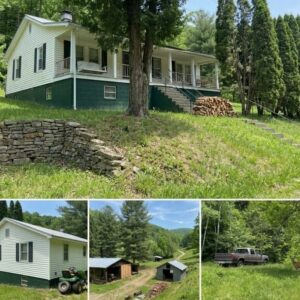
How to Transform a Historic Cottage into a Private Countryside Escape
Tucked into the quiet Fairview area near Duffield, this two-bedroom cottage sits on more than 35 acres of serene countryside. Originally built in 1900, the 888-square-foot home carries…
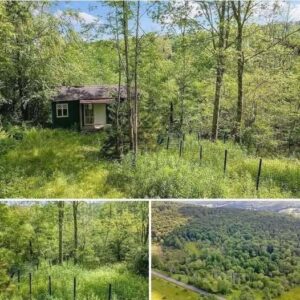
How to Create a Peaceful Nature Retreat on 1.5 Acres
In a world filled with constant notifications and packed schedules, finding a place to truly unwind can feel increasingly rare. A quiet 1.5-acre property offers a chance…

How to Reimagine a Historic Farmhouse Retreat in Tignall
Set on roughly nine მშვიდ acres in the quiet countryside of Tignall, this early-1900s farmhouse offers a rare chance to blend restoration with rural living. The setting is…

Beyond Appearances: A Story of Resilience and Personal Meaning
Diana Armstrong is widely known for her record-breaking fingernails, which have attracted global attention due to their extraordinary length. At first glance, they appear to be a novelty,…