Whether you’re in the suburbs or countryside, snakes can find their way inside your home — often following prey or searching for shelter. While most snakes are harmless, it’s still unsettling (and sometimes dangerous) to find one where you live.
Here are three smart, proven ways to snake-proof your home, plus what to do if you ever find one indoors.
✅ 1. Seal the House — Close Every Entry Point
What to do:
-
-
Inspect and seal gaps around foundations, pipes, doors, windows, garage doors, vents, and utility lines.
-
-
-
Install fine-mesh screens on vents.
-
-
-
Use weather stripping and door sweeps.
-
-
-
Fill cracks in walls, foundations, or near utility connections.
-
Why it works:
Snakes can squeeze through tiny openings — even as small as a pencil! If a snake is chasing prey or seeking shelter, any hole is an invitation. Sealing those gaps removes easy access.
✅ 2. Make the Yard Uninviting to Snakes (and Their Prey)
What to do:
-
-
Keep grass trimmed and tidy up brush, rocks, woodpiles, and garden clutter.
-
-
-
Store firewood off the ground and away from the home.
-
-
-
Fix leaky hoses, faucets, and remove any standing water.
-
-
-
Manage compost and bird feeders to avoid attracting rodents.
-
-
-
Use traps or rodent control to eliminate mice and rats — snake food!
-
Why it works:
Snakes don’t just wander aimlessly — they go where food and shelter are available. If your yard is overgrown or full of rodents, it’s prime real estate. Take those away, and snakes move elsewhere.
✅ 3. Use Physical Barriers & Call Experts When Needed
What to do:
-
-
In high-risk areas, install snake-proof fencing: fine mesh buried several inches into the ground and slanted outward.
-
-
-
Seal sheds, garages, and outdoor storage areas.
-
-
-
If you keep encountering snakes, call a licensed pest or wildlife control expert.
-
Avoid: relying on chemical snake repellents or mothballs — most don’t work reliably, and some can be toxic to pets and humans.
Why it works:
Physical barriers and expert intervention are the most dependable, long-term solutions. Many repellents are unproven or misleading and can give you a false sense of security.
🐍 What To Do If a Snake Is Inside Your Home

-
-
Stay calm — don’t panic.
-
Keep pets and people away.
-
Do NOT try to catch or kill the snake. Many bites happen this way.
-
If possible, quietly confine the snake to one room by closing doors.
-
Call a professional: local animal control, a wildlife rescue group, or pest control.
-
⚠️ Many snake encounters end safely — but trying to handle a snake yourself raises the risk of bites.
🧠 How to (Cautiously) Tell Venomous from Non-Venomous Snakes
Important: Identification rules vary by region and there are many exceptions. Always treat unknown snakes as potentially venomous. Only observe from a safe distance — and never approach for a closer look.
General Cues (Use With Caution):
-
-
Pit Vipers (e.g., rattlesnakes, copperheads, cottonmouths):
▪️ Broad, triangular head
▪️ Vertical (elliptical) pupils
▪️ Heat-sensing pit between eye and nostril
-
-
-
Rattles at the tail:
Indicates a rattlesnake (venomous) in the Americas — but absence of a rattle doesn’t mean it’s harmless.
-
-
-
Color patterns:
Coral snakes have red/yellow/black bands — but many non-venomous species mimic them. Never trust color alone.
-
Why Snake ID Can Be Misleading:
-
-
Non-venomous snakes can flatten their heads to look triangular.
-
-
-
Some venomous snakes have round pupils or rounded heads.
-
-
-
Regional mimicry and variation make ID rules unreliable without expert input.
-
✅ Key Takeaways
-
-
Seal up your home to block entry points.
-
-
-
Remove yard clutter and food sources that attract snakes and their prey.
-
-
-
Use fencing and professional help for serious or recurring problems.
-
-
-
Avoid unsafe DIY methods and never rely solely on chemical repellents.
-
-
-
If you find a snake indoors — don’t touch it. Call a professional.
-
📌 Bonus Tip: Take a photo from a safe distance if you can — it may help wildlife control identify the species quickly.

Related Posts

The Deadly Ingredient Hiding in Your Kitchen: Why That Bitter Taste Could Be a Fatal Warning
You may think you’re serving a healthy, home-cooked meal, but an unusually bitter taste could signal something more serious than bad seasoning. Food safety experts warn that…

Viewers Spot a Subtle Detail in Coca-Cola’s Iconic Logo
Some people have noticed that the second “C” in the Coca-Cola logo looks like a smile—and once you see it, it’s hard to ignore. The familiar red-and-white…

A Viral ICU Rescue Clip Wasn’t What It Seemed
A tense hospital video recently spread across social media, showing what appeared to be a nurse rushing to save an unconscious patient in an intensive care setting….

‘Most beautiful girl in the world’ Thylane Blondeau marries French DJ in fairytale Paris wedding
Thylane Blondeau was six when the world decided how she should look. Now 25, she has stepped into a new chapter—one defined on her own terms. Once…
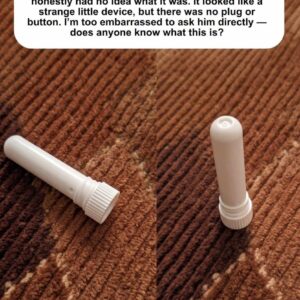
I found this tiny white stick in my son’s room and was too embarrassed to ask him does anyone know what it is?
What I thought was a mysterious gadget turned out to be something surprisingly ordinary. After searching online and comparing photos, I discovered it wasn’t a vape, hidden…

Charlotte Airport Faces Flight Delays Followin
Operations at Charlotte Douglas International Airport experienced temporary delays after a Frontier Airlines aircraft was involved in an unusual ground servicing incident before departure. Although the event…