Whether you’re in the suburbs or countryside, snakes can find their way inside your home — often following prey or searching for shelter. While most snakes are harmless, it’s still unsettling (and sometimes dangerous) to find one where you live.
Here are three smart, proven ways to snake-proof your home, plus what to do if you ever find one indoors.
✅ 1. Seal the House — Close Every Entry Point
What to do:
-
-
Inspect and seal gaps around foundations, pipes, doors, windows, garage doors, vents, and utility lines.
-
-
-
Install fine-mesh screens on vents.
-
-
-
Use weather stripping and door sweeps.
-
-
-
Fill cracks in walls, foundations, or near utility connections.
-
Why it works:
Snakes can squeeze through tiny openings — even as small as a pencil! If a snake is chasing prey or seeking shelter, any hole is an invitation. Sealing those gaps removes easy access.
✅ 2. Make the Yard Uninviting to Snakes (and Their Prey)
What to do:
-
-
Keep grass trimmed and tidy up brush, rocks, woodpiles, and garden clutter.
-
-
-
Store firewood off the ground and away from the home.
-
-
-
Fix leaky hoses, faucets, and remove any standing water.
-
-
-
Manage compost and bird feeders to avoid attracting rodents.
-
-
-
Use traps or rodent control to eliminate mice and rats — snake food!
-
Why it works:
Snakes don’t just wander aimlessly — they go where food and shelter are available. If your yard is overgrown or full of rodents, it’s prime real estate. Take those away, and snakes move elsewhere.
✅ 3. Use Physical Barriers & Call Experts When Needed
What to do:
-
-
In high-risk areas, install snake-proof fencing: fine mesh buried several inches into the ground and slanted outward.
-
-
-
Seal sheds, garages, and outdoor storage areas.
-
-
-
If you keep encountering snakes, call a licensed pest or wildlife control expert.
-
Avoid: relying on chemical snake repellents or mothballs — most don’t work reliably, and some can be toxic to pets and humans.
Why it works:
Physical barriers and expert intervention are the most dependable, long-term solutions. Many repellents are unproven or misleading and can give you a false sense of security.
🐍 What To Do If a Snake Is Inside Your Home

-
-
Stay calm — don’t panic.
-
Keep pets and people away.
-
Do NOT try to catch or kill the snake. Many bites happen this way.
-
If possible, quietly confine the snake to one room by closing doors.
-
Call a professional: local animal control, a wildlife rescue group, or pest control.
-
⚠️ Many snake encounters end safely — but trying to handle a snake yourself raises the risk of bites.
🧠 How to (Cautiously) Tell Venomous from Non-Venomous Snakes
Important: Identification rules vary by region and there are many exceptions. Always treat unknown snakes as potentially venomous. Only observe from a safe distance — and never approach for a closer look.
General Cues (Use With Caution):
-
-
Pit Vipers (e.g., rattlesnakes, copperheads, cottonmouths):
▪️ Broad, triangular head
▪️ Vertical (elliptical) pupils
▪️ Heat-sensing pit between eye and nostril
-
-
-
Rattles at the tail:
Indicates a rattlesnake (venomous) in the Americas — but absence of a rattle doesn’t mean it’s harmless.
-
-
-
Color patterns:
Coral snakes have red/yellow/black bands — but many non-venomous species mimic them. Never trust color alone.
-
Why Snake ID Can Be Misleading:
-
-
Non-venomous snakes can flatten their heads to look triangular.
-
-
-
Some venomous snakes have round pupils or rounded heads.
-
-
-
Regional mimicry and variation make ID rules unreliable without expert input.
-
✅ Key Takeaways
-
-
Seal up your home to block entry points.
-
-
-
Remove yard clutter and food sources that attract snakes and their prey.
-
-
-
Use fencing and professional help for serious or recurring problems.
-
-
-
Avoid unsafe DIY methods and never rely solely on chemical repellents.
-
-
-
If you find a snake indoors — don’t touch it. Call a professional.
-
📌 Bonus Tip: Take a photo from a safe distance if you can — it may help wildlife control identify the species quickly.

Related Posts
President Donald Trump Faces More Troubles!
Former President Donald Trump is once again at the center of serious legal and political controversy, as multiple cases continue to close in around him and keep…

This one blood type has the lowest risk of heart attacks and blood clots
Credit: Shutterstock Your blood type might play a role in your risk for serious health issues, including heart attacks, blood clots, and even certain cancers. When it…

“10-80-10” survival principle that could determine whether you live or die in a nuclear attack
Shutterstock.com A nuclear war is something no one wants. However, in a worst-case scenario, the way you react in the first few seconds could mean the difference…

Woman claiming to be Donald Trump’s daughter shares explosive new DNA bombshell
Credit: Getty Images Does Donald Trump have another child? Well, a 55-year-old woman has filed a lawsuit claiming that Donald Trump could be her biological father, stating…

Seconds on the Runway: Tragedy and the Search for Answers
In the span of a few moments, what should have been a routine arrival from Montreal turned into a devastating collision on Runway 4 at LaGuardia Airport. An Air…
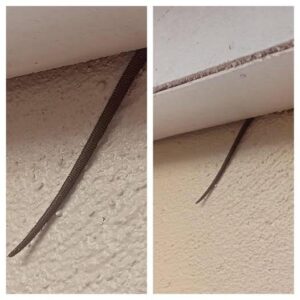
The Viral Ceiling Mystery That Turned Into a Real-Life Warning
What started as a strange, almost surreal snapshot quickly pulled people in. A dark, shifting shape peeking through a narrow gap in a ceiling sparked both curiosity…