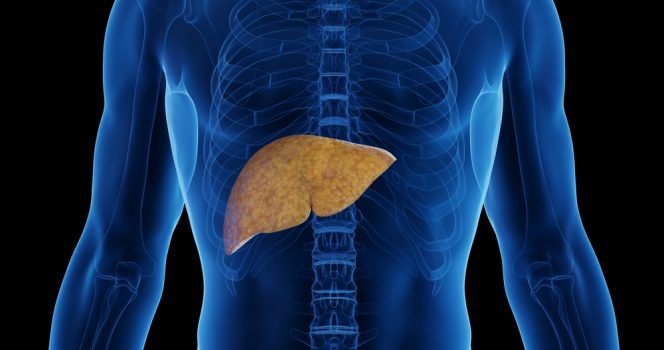
Non-alcoholic fatty liver disease is a condition where fat builds up in the liver.
It’s very common and closely connected to excess body weight.
But the good news is that it can often be improved with healthier lifestyle changes.
It goes without saying that keeping your liver healthy is essential. The liver is the largest solid organ in the body, and it works like a powerful filtration system.
It clears out toxins, processes nutrients from the food you eat, and helps keep many of your body’s most important functions running smoothly.
But people with fatty liver may feel tired, unwell, or notice a discomfort on the right side of their upper abdomen, just under the ribs. But in many cases, there are no symptoms at all.
Non-alcoholic fatty liver disease is now one of the most common liver conditions in the U.S. Experts estimate that roughly 1 in 4 American adults has it. The Cleveland Clinic reports that 20–30% of adults have excess fat in their liver — many without even knowing it.
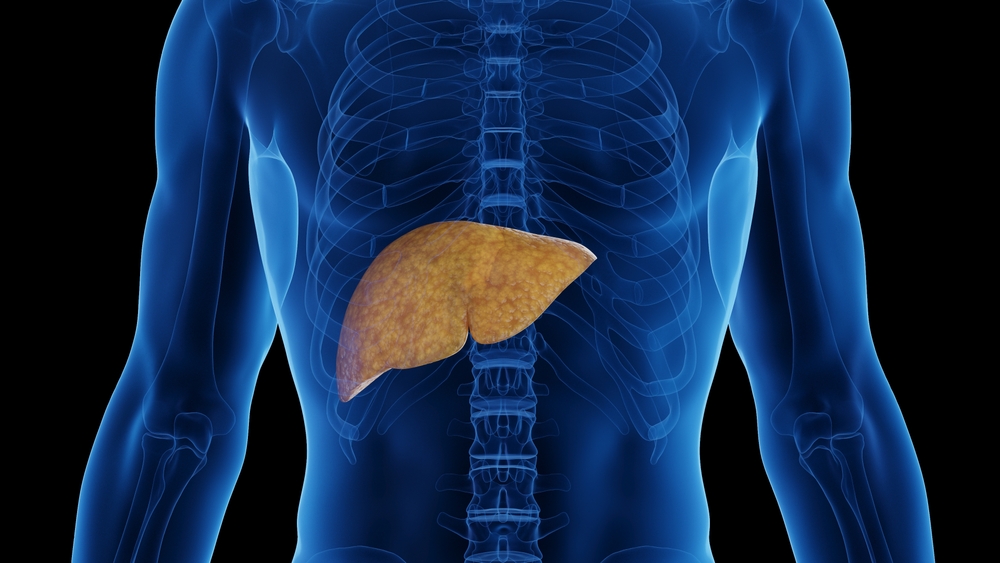
The risk of getting non-alcoholic fatty liver disease (NAFLD) — also known as metabolic dysfunction-associated steatotic liver disease (MASLD) – goes up if you carry extra weight around your midsection.
You’re also at higher risk if you have type 2 diabetes, PCOS, high blood pressure, high cholesterol, lead a mostly inactive lifestyle, or are over 50 years old.
But just like that, it is possible to protect your liver simply by eating the right foods — and today, we’re taking a closer look at three surprisingly powerful foods that everyone should know about.
1. Blueberries: Small but powerful
Blueberries aren’t just delicious — they’re packed with anthocyanins, a type of antioxidant that helps shield the liver from damage, supports healthy metabolism, and keeps your gut in balance.
Research shows that eating blueberries every day can actually reduce liver fat in people with NAFLD, according to imaging results.
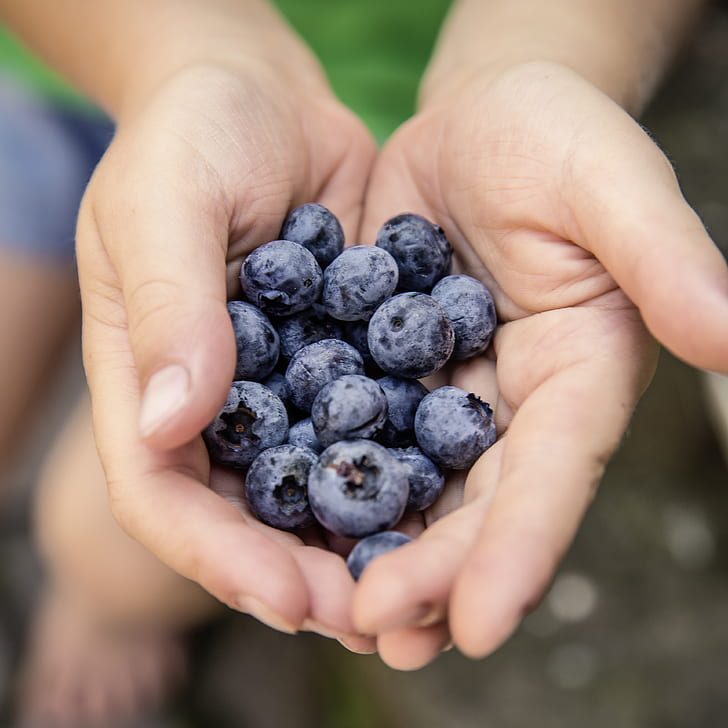
These antioxidants may slow down the liver’s production of new fat, while boosting the liver’s ability to burn the fat it already has. Studies in both humans and animals also suggest that blueberries can improve how the body handles sugar by increasing insulin sensitivity, and may even slightly lower LDL (“bad”) cholesterol.
Scientists believe this is because anthocyanins help regulate important enzymes and pathways that control fat and glucose metabolism, leading to better insulin response and healthier cholesterol levels.
2. The creamy superfood your liver loves
Avocados aren’t just trendy, they’re packed with good fats, fiber, and vitamin E, all of which make them a powerhouse for liver health.
Researchers have found some pretty impressive effects. Several studies show that eating avocados regularly may help:
- Lower liver fat
- Reduce inflammation and oxidative stress
- Improve how your body uses insulin
- Slightly reduce LDL (“bad”) cholesterol
For example, animal studies published in 2022 showed that avocado oil improved mitochondrial function (your cells’ energy factories) and reduced oxidative stress—two huge factors in fatty liver disease.
And a 2024 study found that avocado eaters had better insulin sensitivity, meaning more stable blood sugar levels. Other research even found mild improvements in cholesterol when people ate an avocado a day.
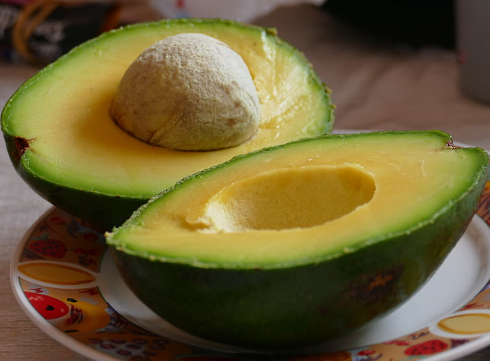
Beyond that, avocados are loaded with vitamin E, an antioxidant that helps protect liver cells, and they’re rich in fiber, which helps keep you full and supports healthy weight, one of the biggest keys to managing or reversing fatty liver.
How to add them to your routine
You don’t need to overthink it, just include about ½ an avocado a day:
- Mash on whole-grain toast with tomato
- Slice into a spinach salad with lemon
- Blend into dips with Greek yogurt
- Add to tacos or grain bowls
Aim for 3–5 times per week, and make sure it’s ripe (firm, but slightly soft when pressed). Half an avocado contains about 120 calories –nutritious, but still something to portion out.
While more research is needed to fully confirm the benefits for people with NAFLD, the early evidence is promising, and delicious.
3. The crunchy snack
Walnuts aren’t just a quick snack, they’re also one of the most powerful foods you can eat for your liver, according to Healthline.
Studies show that people who eat more nuts have a much lower risk of developing fatty liver disease (2019 study of nearly 24,000 people). And among all nuts, walnuts stand out as the real MVP.
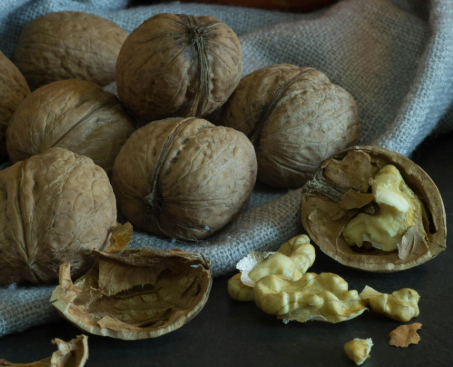
Why? Because walnuts are loaded with:
- Omega-3 and omega-6 fatty acids
- High levels of antioxidants
- Powerful polyphenols that fight inflammation
All of these work together to reduce inflammation, support healthy metabolism, and decrease the buildup of fat in the liver.
One study from 2021 found something incredible: People who ate just 1 ounce (28g) of walnuts a day as part of a Mediterranean-style diet lost significantly more liver fat than those who didn’t. Even better — this wasn’t just fat loss. Their overall metabolic health improved too.

Related Posts
Rising Tensions in the Gulf: What the Latest Developments Could Mean
In a major escalation that has drawn global attention, reports indicate coordinated military strikes involving the United States and Israel targeting sites in Iran. Officials described the…

Lauren Sánchez and Jeff Bezos go viral for strange moment
The moment lasted only a few seconds, but it quickly captured widespread attention online. During the Oscars red carpet, Lauren Sánchez turned toward Jeff Bezos with what…
Heartbreaking reason Adam Sandler sends Jennifer Aniston flowers on a specific day every year
Longtime friendships in Hollywood are rare, but the bond between Jennifer Aniston and Adam Sandler has lasted for decades. The two actors knew each other before rising…

Bill Gates Shares Insights on Careers That Will Thrive in the Age of AI
As artificial intelligence (AI) continues to advance, its influence on the future of work is becoming increasingly clear across many industries. Technology leaders like Bill Gates have…

The Surprising Meaning Behind Finding a Coin on the Street
In today’s fast-paced world, small details—like a coin on the sidewalk—are often overlooked without a second thought. To many, it’s just spare change. But across cultures, a…

Albert Einstein: What a wise man never says to a woman
He never meant it as a joke. He meant it as a warning. In a single sentence about women, money, and feelings, a deeper message was revealed….