Identifying the warning signs of brain aneurysm can be challenging even for experienced medical professionals because these silent health threats can develop without any warning signs until they leak or rupture. Because they can be so sneaky, it is not just important to know what to look for, it is literally lifesaving.
That is the reason why doctors are trying to raise awareness of the consequences by discussing some of the symptoms of this life-threatening condition.
The Mayo Clinic states that “A brain aneurysm is a bulge or ballooning in a blood vessel in the brain. It often looks like a berry hanging on a stem. Some remain small and never become a problem, but others become so large that they become a ticking time bomb.
The actual problem comes in the form of a rupture, which leads to a hemorrhagic stroke, or bleeding in the brain. Most often, the rupture occurs in the space between the brain and the tissues that cover it (subarachnoid hemorrhage).
These subarachnoid hemorrhages are extremely dangerous and have a high potential for causing permanent neurological damage or even death; that is why it is so important to catch these signs early.
The difficulty in detecting an aneurysm before it ruptures is that, in many instances, there is no “preview” of this happening. However, if a person’s body is indicating that something is wrong, these signs tend to be strong. According to the Mayo Clinic, some signs that may indicate that an aneurysm is present or that it is leaking include:
A brain aneurysm can leak or rupture, causing bleeding into the brain (hemorrhagic stroke).
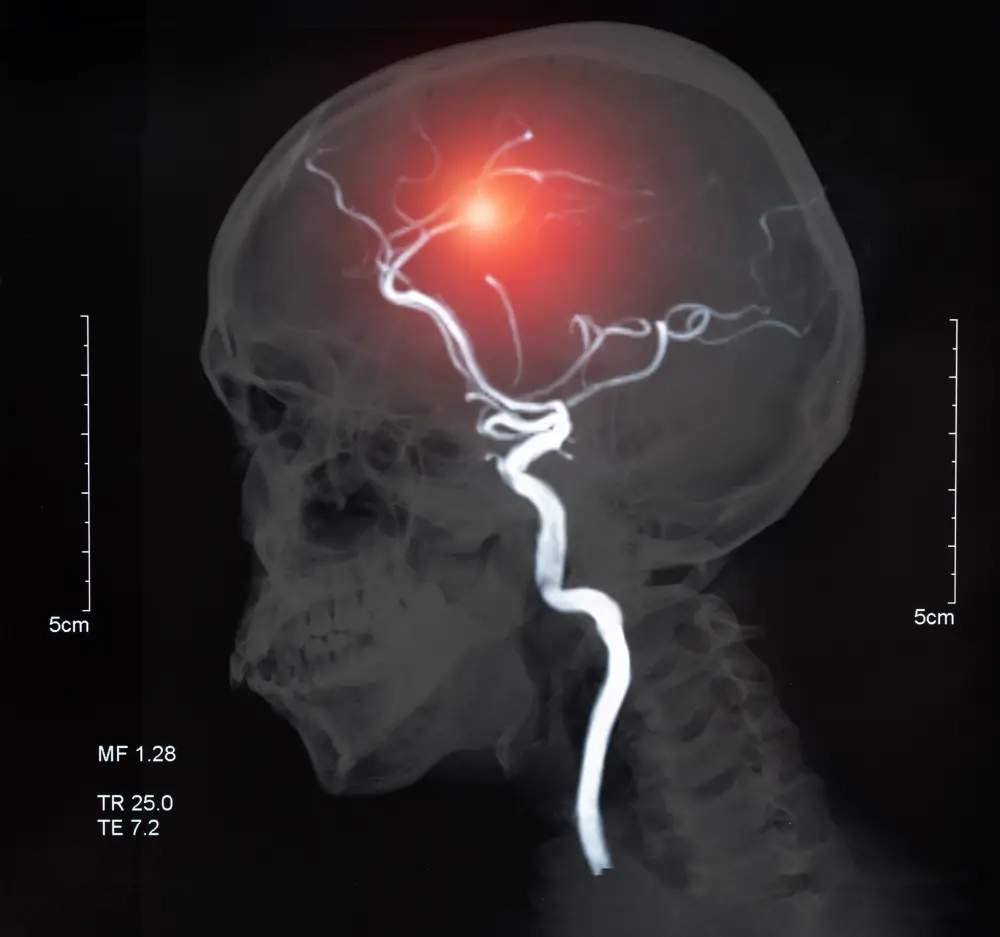
According to the Mayo Clinic, some signs that may indicate that an aneurysm is present or that it is leaking include:
- A sudden and severe headache (often described as “the worst headache of my life”)
- Blurred or double vision
- Confusion
- One dilated pupil
- One drooping eyelid
- Fainting
- Nausea/vomiting
- Pain around one eye
- Stiffness in the neck
- Sensitivity to light
- Seizures
- Weakness and/or numbness
It is important to note that it is not necessarily true that having one or two of these symptoms means you have an aneurysm. Nevertheless, it is very important to seek immediate medical attention if several of these symptoms strike you at once, especially the “thunderclap” headache.
According to the Brain Aneurysm Foundation, a headache is always the first symptom that a person with a leaking or bursting aneurysm will experience. But it isn’t just a run-of-the-mill headache that goes away in a few minutes or after taking a pill. This kind of headache is sudden, extremely severe, and just won’t go away on its own. When a person has a leaking or bursting aneurysm that starts leaking a small amount of blood, it is called a sentinel bleed. This may produce a severe headache that may last for a few days.
According to medical experts, it is never a good idea to “tough out” a headache like this. It is a literal shot across the bow, a warning that a full rupture could be just around the corner. If you or the person you are with has a sudden, blinding headache accompanied by nausea or vision problems, it is a good idea to call for emergency help at once. But whatever you do, don’t even think about driving yourself to the hospital, as a rupture could cause you to pass out behind the wheel in a split second.

Who is most at risk?
While we can’t pinpoint the “why” behind each aneurysm, we can identify several risk factors that increase the likelihood of developing one. First, demography plays a role; older adults and women are more at risk. Then there are lifestyle and medical conditions, which can increase the workload on your body over time. Some of the key risk factors are:
Smoking: Tobacco is a major contributor in the development of aneurysms. It has been shown that smoking can cause the walls of the vessels to weaken and can cause the formation of aneurysms.
High Blood Pressure (Hypertension): High blood pressure is like a hose with a small pipe. Eventually, the pipe would bulge under the increased pressure.
Excessive Alcohol: It is known that excessive alcohol can cause damage to the vessels over a long period of time.
Drug Use: Stimulants such as cocaine are particularly dangerous because they can cause a huge spike in blood pressure.
Some people may develop aneurysms after receiving head trauma or after contracting certain types of infection. Others may simply be born with a predisposition to developing this condition, due to defects in their blood vessels. There are a small number of people who may be more prone to developing this condition if they suffer from a genetic disorder such as polycystic kidney disease or a connective tissue disorder, such as Ehlers-Danlos syndrome.

What doctors find and evaluate the problem
Because the stakes are so high, doctors use advanced imaging techniques to get a clear picture of what’s going on inside the skull. Some of the most common tools in the doctor’s kit include:
CT Scan (Computed Tomography): This is usually the first line of defense to determine if there’s active bleeding in the brain.
MRI (Magnetic Resonance Imaging): This gives a highly detailed view of the structures in the brain and the plumbing of the blood vessels.
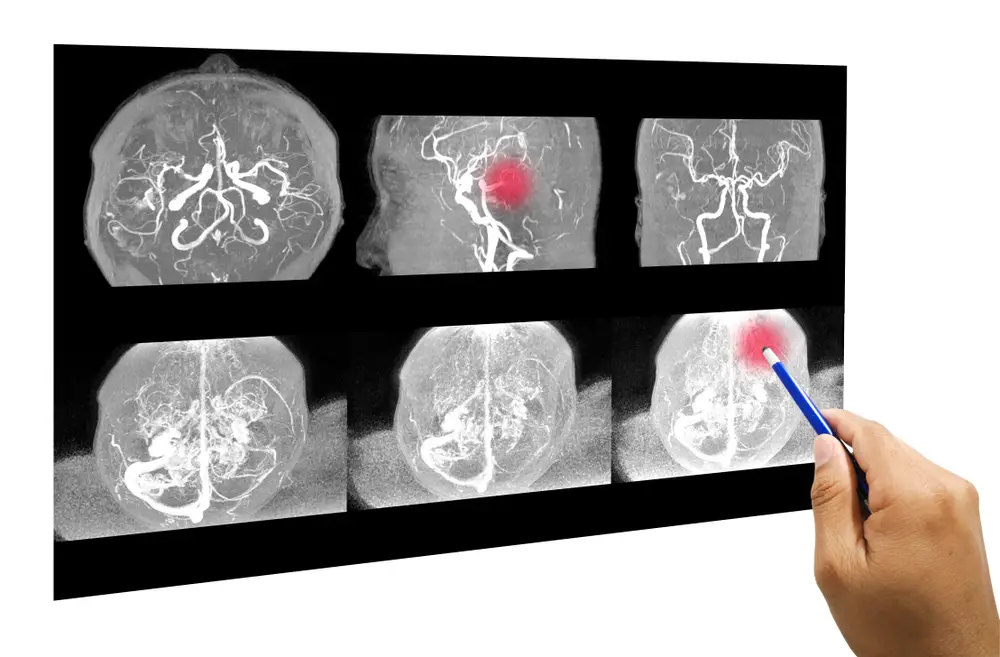
Cerebral Angiography: In this test, a special dye is injected into the bloodstream so that doctors can determine the exact shape and size of the aneurysm on an X-ray.
Treatment options
The treatment isn’t “one size fits all.” It’s determined by where the aneurysm is located, how large it has become, and the likelihood that it will burst. There are a number of different treatment options, and the most common ones include:
Surgical Clipping: This involves a neurosurgeon making a small incision in the skull and placing a small metal clip at the base of the aneurysm to “pinch it off” from the bloodstream.
Endovascular Coiling: This is a less invasive treatment that involves a doctor inserting a catheter into the artery in the groin that leads up to the brain and inserting small wire coils into the aneurysm to block it off.
Flow Diversion: This involves the placement of a stent that diverts the flow of the blood around the bulge in the artery, allowing the artery to heal itself.
There are also some cases in which a doctor may suggest “watchful waiting,” in which the aneurysm is small and the doctor feels that it has a low likelihood of bursting in the near future.

Living with a diagnosis
Receiving the diagnosis of having an unruptured aneurysm can be an emotional rollercoaster. In most cases, the doctor will tell the patient that the best things they can do is manage the things they can control, such as maintaining healthy blood pressure levels, stopping smoking if they are a smoker, and consuming a healthy diet. Another thing that is huge is stress management. This is where meditation and other forms of exercise can help manage stress levels and keep the strain on the vessels minimal. Education is the best way to empower oneself rather than being fearful.
The medical community is working harder than ever to educate the public because the key to the ultimate life-saver is early detection. “Warning leaks” are felt by many as a headache or a change in their vision, but it is usually dismissed as a migraine headache or exhaustion. The first step in avoiding a catastrophe is to learn how to take “unusual” symptoms seriously.
Conclusion
Brain aneurysms are scary because they are so silent, but they don’t have to be a death sentence. By being aware of the signs and symptoms—pain, vision changes, and neurological changes—you can ensure the best possible outcome in the event of a brain aneurysm. Whether it’s controlling your blood pressure or knowing when to call 911, being educated is the strongest weapon against the unexpected.
*Medical Disclaimer: This article is for informational purposes only and is not intended as medical advice. Always consult a qualified healthcare professional for diagnosis, treatment, or questions regarding any medical condition. Do not disregard or delay seeking medical attention based on the information provided here. In the event of a medical emergency, call your local emergency services immediately.
Please SHARE this article with your family and friends on Facebook.

Related Posts
Frequent intestinal gas: the real causes that almost no one explains clearly
Why am I always bloated and gassy? A deep dive into reclaiming your gut health Well, we’ve all been there. You’re out for a nice dinner, or…

Irresistible Walking Taco Casserole
Irresistible Walking Taco Casserole Well, hello there, sugar! You’re right here in your grandma’s kitchen, and today we’re fixin’ up a big, hearty Irresistible Walking Taco Casserole….

Chelsea Clinton Steps Forward: A New Chapter Focused on Impact
Chelsea Clinton is entering a more visible phase of her public life, shaped by a renewed focus on expanding access to health and education for young people. Long…

A Trusted Voice Remembered: Honoring a Life in Canadian Journalism
For more than thirty years, Beverley Thomson was a steady and reassuring presence for viewers across Canada. From her work with Global News to her time at CTV News Toronto, and later…

Think You’ve Got Sharp Eyes? Put Your Brain to the Test
Ready for a quick mental workout? This fun IQ-style challenge is all about how well you notice the details most people miss. At first glance, the task…
She went to the emergency room with a horrible stomach pain
A new world record has been set up after a doctor from India removed staggering number of gallstones from a 51-year-old patient. Minati Mondal, the patient in…